About the Fellowship

Inspiring Tomorrow’s Innovators with Free Market Values
The Free Market Fellowship is a structured civic learning program designed to equip emerging African leaders with the intellectual tools required to understand, engage, and shape economic and public policy conversations with clarity and discipline.
Across many societies, complex issues such as poverty, markets, governance, and opportunity are often reduced to simplified narratives. These narratives can be emotionally compelling but frequently overlook incentives, trade-offs, and institutional realities.
This fellowship exists to address that gap.
Rather than promoting ideological positions, the program focuses on developing the ability to:
- analyse problems with precision
- understand how incentives shape outcomes
- recognise trade-offs in policy decisions
- engage opposing views without hostility
- communicate ideas with clarity and responsibility
The objective is not to produce agreement.
It is to cultivate disciplined thinkers and responsible civic actors.
Why This Fellowship Exists
Across Africa, young leaders are navigating increasingly complex environments:
- expanding informal economies
- regulatory constraints
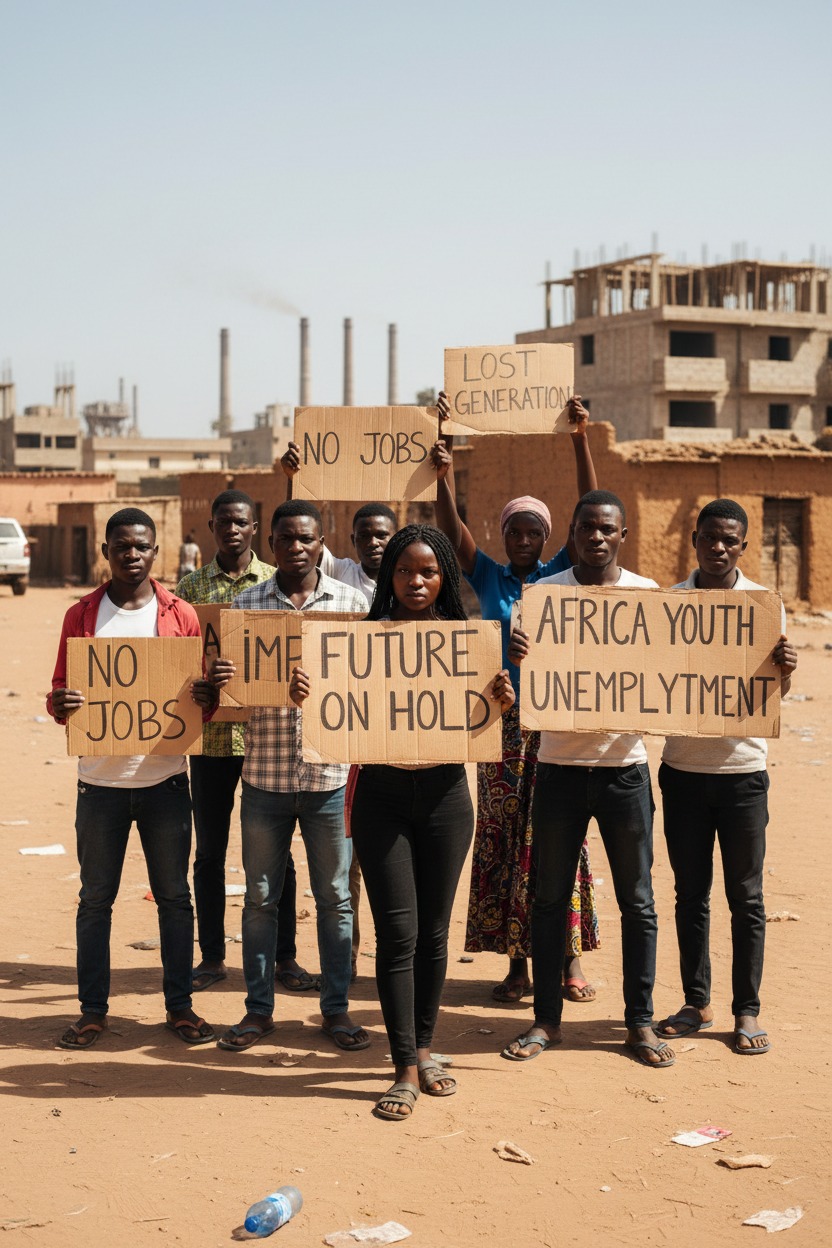
- youth unemployment
- policy uncertainty
- rapidly evolving public discourse
In such environments, ideas matter.
But without structure, discussions about these issues often become:
- reactive rather than analytical
- emotional rather than constructive
- polarised rather than productive
The Free Market Fellowship introduces a different approach.
It provides a framework for structured thinking, respectful dialogue, and grounded analysis, enabling participants to move beyond slogans and toward meaningful engagement.
What Fellows Learn
The fellowship is built around a progressive learning journey:
Understanding
Exploring foundational ideas such as human dignity, agency, and how societies organise economic activity.
Reframing
Examining common narratives about markets, government, and development, and identifying where they simplify complex realities.
Application
Learning how to communicate ideas clearly and engage in structured, non-polarised dialogue.
Multiplication
Translating insights into leadership through community engagement, dialogue facilitation, and applied projects.
By the end of the program, fellows are expected to demonstrate not just knowledge, but the ability to apply ideas responsibly in real-world contexts.
How the Fellowship Works
The program runs over 10 weeks and combines:
- weekly live learning sessions
- guided discussions
- structured reflection exercises
- practical assignments
Each fellow completes a capstone project, applying fellowship principles within their local environment.
This may include:
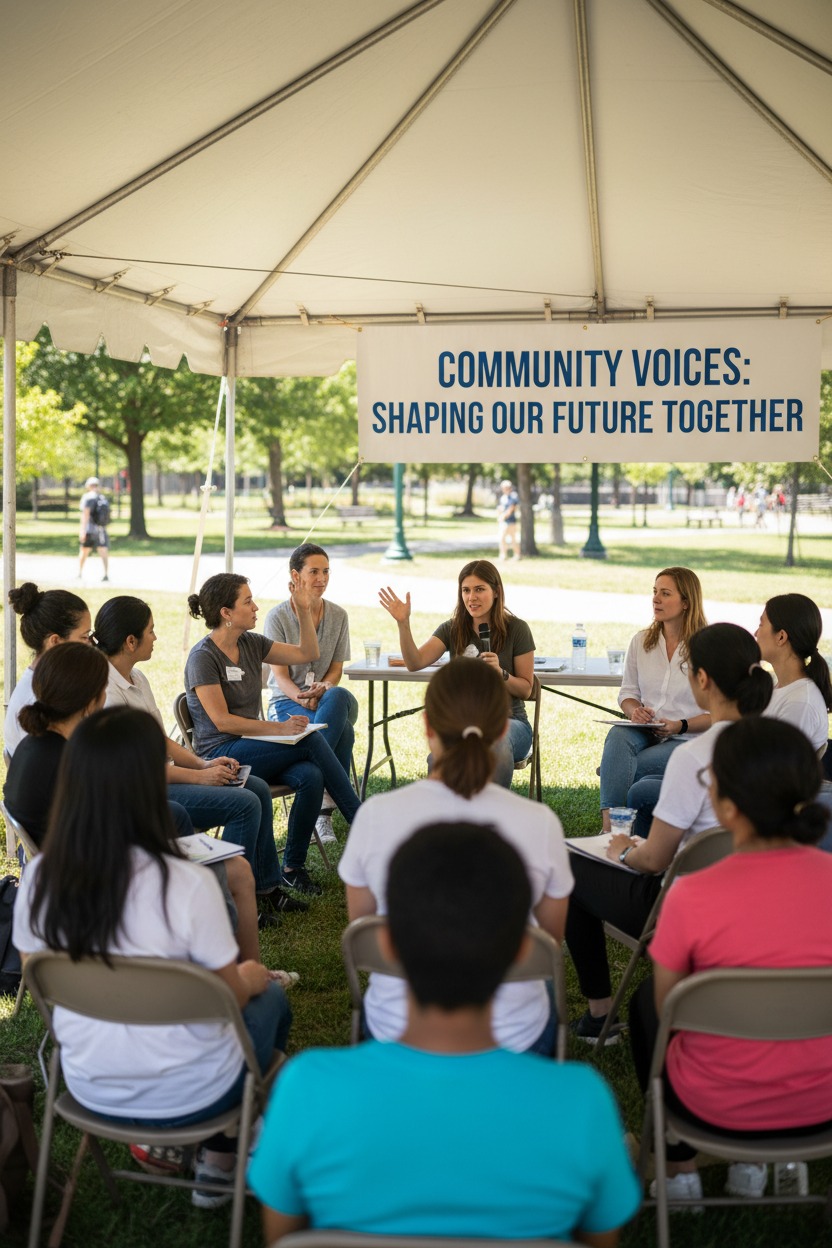
- hosting a civic dialogue
- organising a policy roundtable
- producing public-facing content
- facilitating community discussions
The capstone is not symbolic.
It is a demonstration of applied competence.
What Makes This Fellowship Different
This is not a debate platform.
It is not an activism training program.
It is not a space for partisan positioning.
The fellowship is built on a different set of principles:
- Dialogue over confrontation
- Clarity over rhetoric.
- Trade-off awareness over simplistic solutions
- Dignity over dehumanisation
- Structure over noise
Participants are trained not just in what to think, but in how to think, how to engage, and how to lead responsibly.
Who This Is For
The fellowship is designed for individuals who:
- are curious about economic and public policy issues
- are open to engaging diverse perspectives
- want to improve how they think, communicate, and lead
- are willing to move beyond slogans into structured reasoning
This includes:
The fellowship is designed for individuals who:
- are curious about economic and public policy issues
- are open to engaging diverse perspectives
- want to improve how they think, communicate, and lead
- are willing to move beyond slogans into structured reasoning
This includes:
- community leaders
- students
- young professionals
- entrepreneurs
- policy enthusiasts
What Happens After the Fellowship
Completion of the fellowship is not an endpoint.
Graduates join a growing network of alumni who continue to:
- host structured dialogues
- engage in policy conversations
- collaborate across countries
- contribute to a culture of disciplined civic engagement
The long-term vision is not rapid expansion, but depth, quality, and sustained impact across communities.
The future of any society is shaped not only by policies or institutions, but by the quality of its thinking and the nature of its conversations.
This fellowship is a contribution toward strengthening both.
By the end of this fellowship, you will be able to:
By the end of this fellowship, you will be able to:
- Analyze economic and policy issues without relying on slogans
- Identify incentives and trade-offs in real-world decisions
- Facilitate structured, non-polarized conversations
- Communicate complex ideas clearly to diverse audiences
- Apply these skills within your community or institution
Are you ready to join them?
Simplifying Your Path to the Free Market Fellowship
Meet the Visionaries Driving the Free Market Fellowship’s Mission Forward.
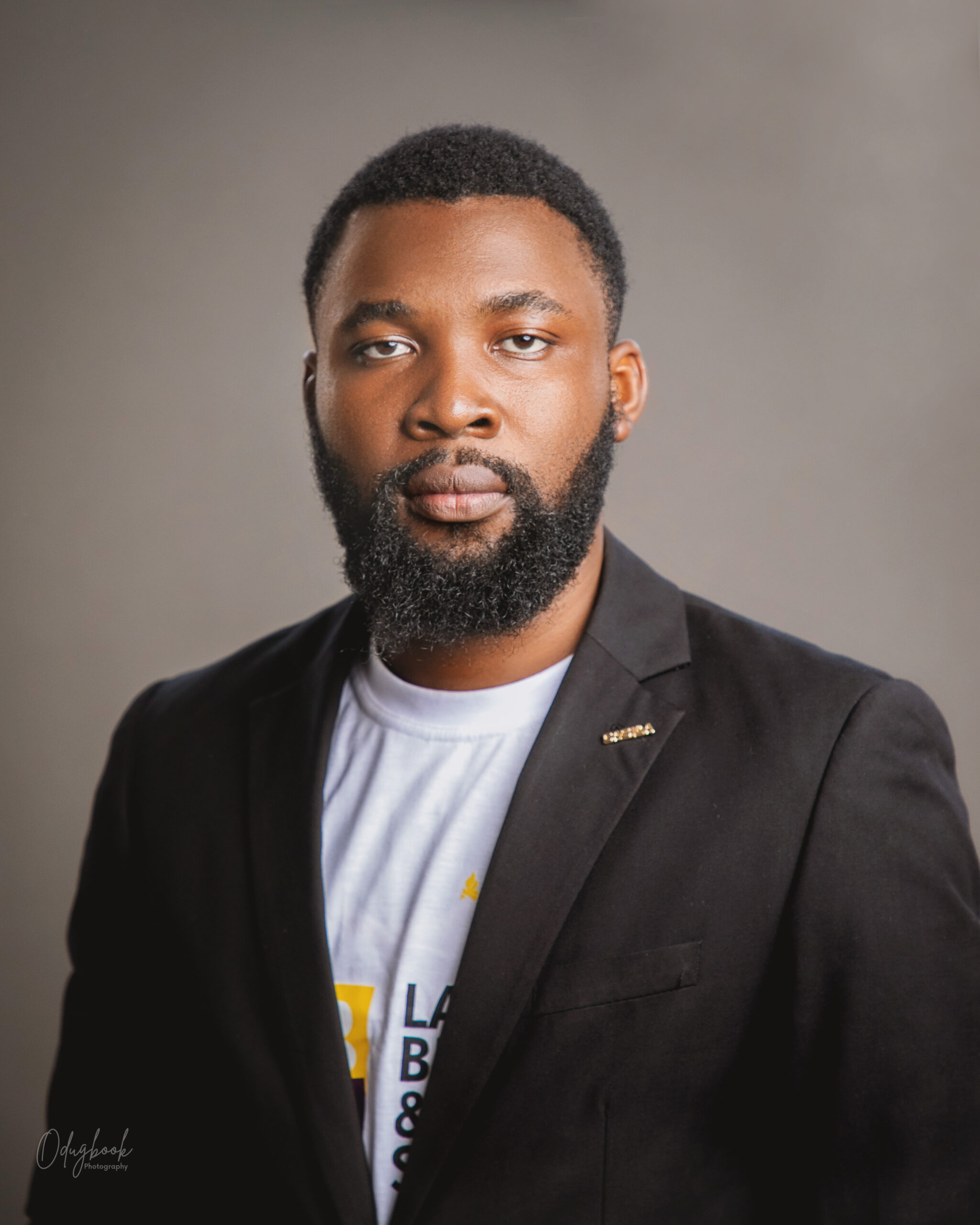
Sanni Ahmed
Fellowship Director
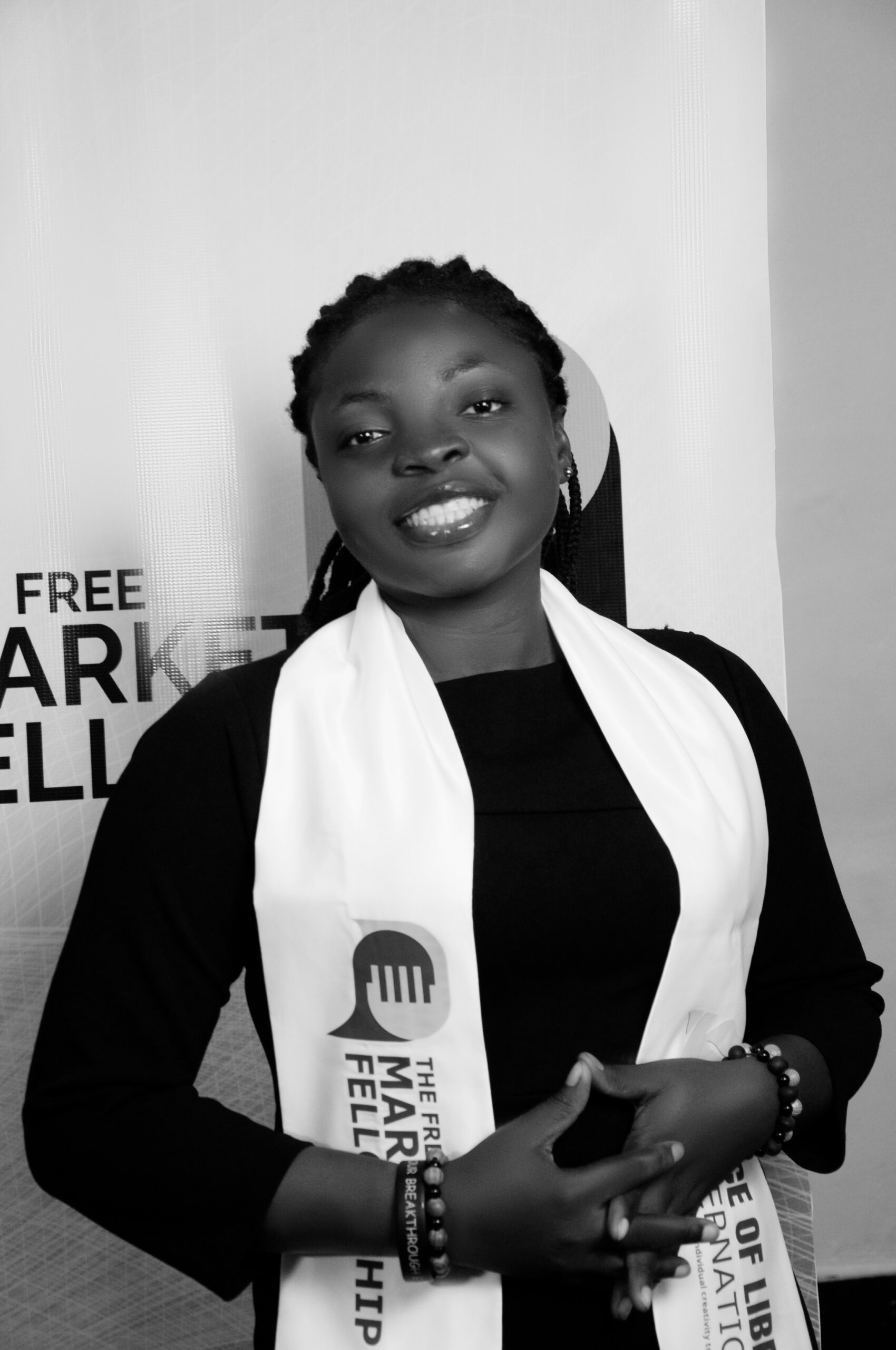
Esther Popoola
Fellowship Coordinator
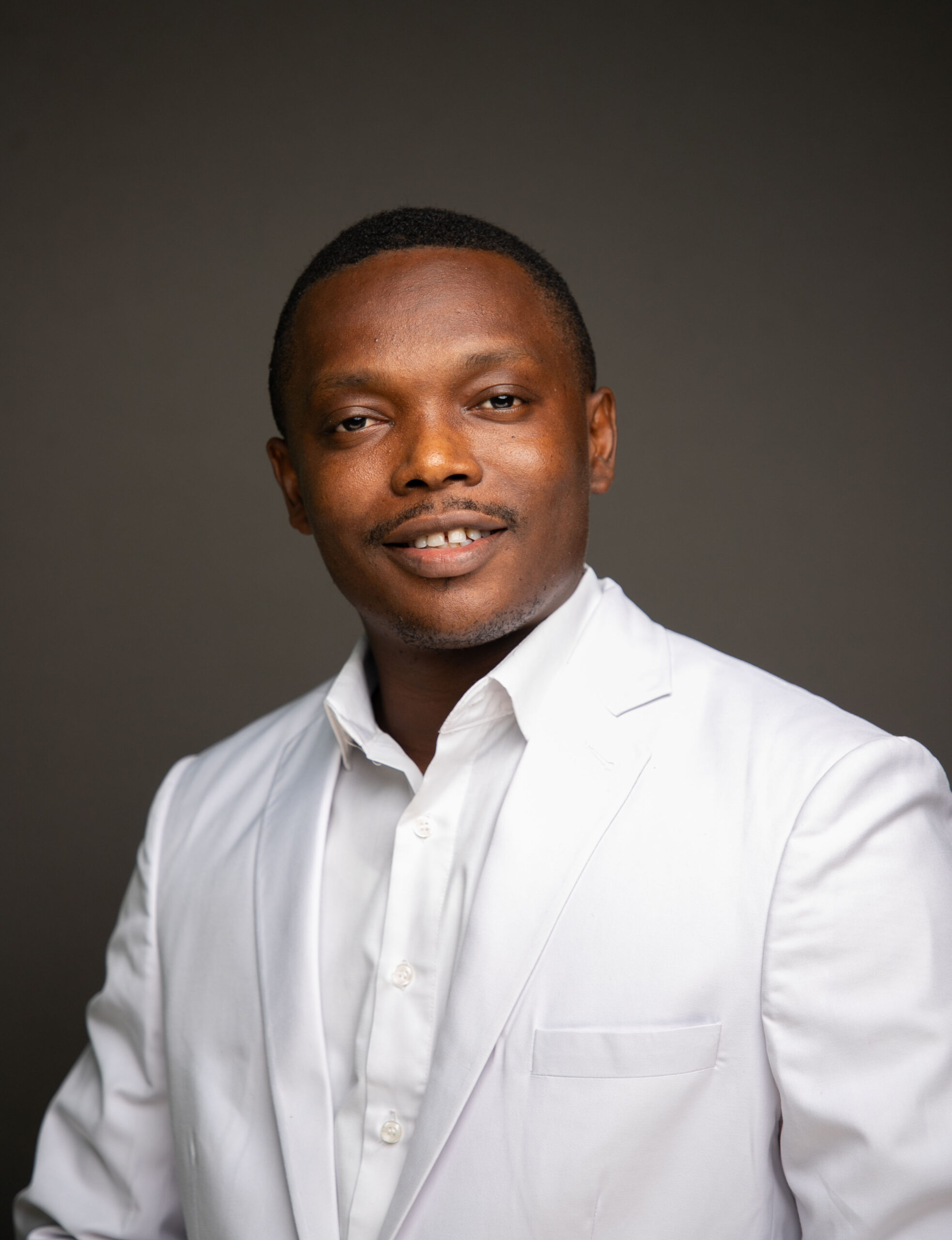
Leonard Ogunweide
Director of External Relations
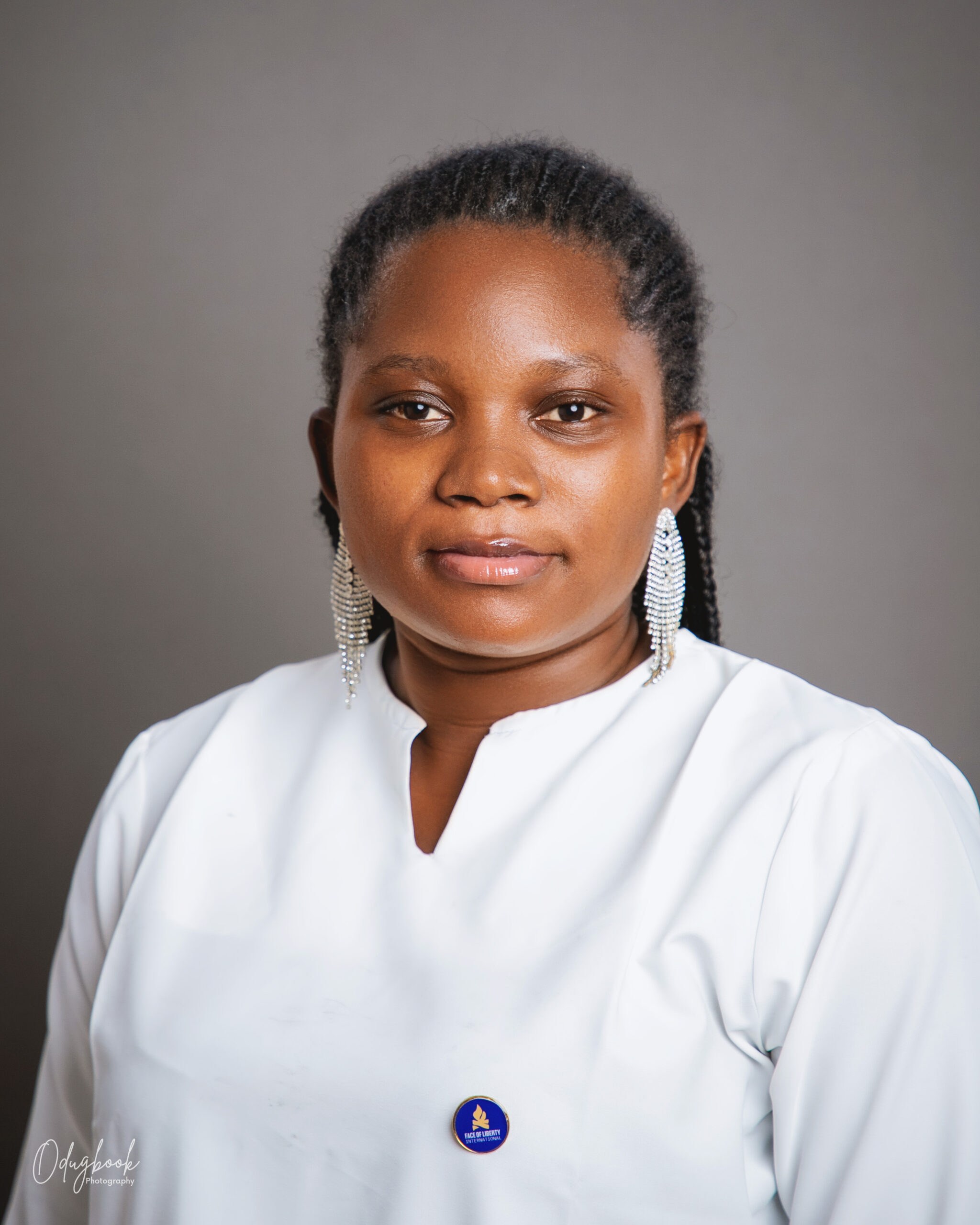
Grace Godwin
Development Manager